Unlocking the Power of Gyan Mudra: How This Ancient Hand Gesture Enhances Mental and Physical Well-Being

Unlocking the Power of Gyan Mudra: How This Ancient Hand Gesture Enhances Mental and Physical Well-Being

How to Practice Gyan Mudra
You don’t need experience to get started. Just find a comfortable seated position—on the floor or in a chair. Keep your spine upright and your body relaxed. Rest your hands on your thighs or knees with your palms facing upward, signaling openness and receptivity.

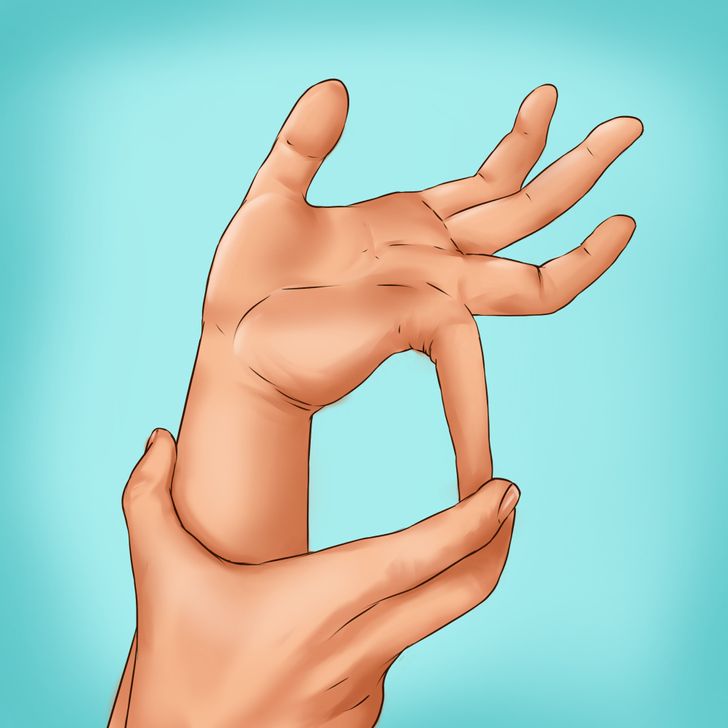
Gently touch the tip of your thumb to the tip of your index finger, forming a soft circle. Let the remaining three fingers stay extended without tension.

As experts describe it, “The thumb is believed to represent universal consciousness, and the index finger denotes individual consciousness. When the index finger bends toward the thumb, an individual consciousness is surrendered to the universal consciousness.”

Breathe Deeply, Tune Inward
Close your eyes or soften your gaze. Take deep, natural breaths. Let your breathing anchor you in the present. There’s no need to rush. Sit with the stillness. At first, it may feel unfamiliar. You might wonder if you’re “doing it right.” That’s normal. What matters most is consistency.

While you can practice this anytime, many traditions recommend early morning hours (4–6 AM) for deeper impact. Start with 10–12 minutes a day, gradually increasing to 30 minutes. Not a morning person? That’s okay. The magic lies not in the timing, but in your dedication.

Physical Benefits of Gyan Mudra
Though gentle, this gesture is believed to activate energy centers and enhance physical function. Regular practice has been linked to:

Better muscular coordination and body support
Easier, deeper breathing
Improved digestion and gut balance
Greater physical stability and balance
Enhanced overall comfort in the body
Many practitioners also report more restful sleep and better regulation of the nervous system.

Traditional texts even mention its therapeutic potential for conditions like insomnia, diabetes, Alzheimer’s, and hormone imbalances such as hypopituitarism. While not all claims are scientifically validated, Gyan Mudra remains a valued component of many holistic wellness routines.

Enhancing Energy Flow and Emotional Balance
According to yogic teachings, each finger represents a different element. The thumb corresponds to fire, and the index finger to air. By uniting them, Gyan Mudra balances these energies—grounding you and enhancing vitality.

Many also experience deep emotional benefits, such as:

A greater sense of inner peace
Reduced emotional reactivity
Heightened presence and mindfulness
A clearer, calmer mind
“It burns the negative thoughts from the mind and eradicates negative energies from one’s aura. It adds positivity to the mind, body, and soul,” notes one source.

Opening the Heart and Awakening Intuition
Beyond relaxation, this mudra is believed to open the heart center and create emotional space. According to traditional wisdom, it helps clear out stagnant feelings like fear, anger, and jealousy while enhancing inner clarity.

“It helps cleanse negative emotions like anger, fear, and jealousy,” says one traditional source, “and may support heightened intuition and insight.”

This deepening connection to one’s inner self is why Gyan Mudra is revered as a gateway to higher consciousness.

Spiritual Significance: From Earthly Knowledge to Divine Wisdom
In spiritual traditions, this hand gesture carries profound symbolism. According to legend, Lord Buddha adopted this mudra during his enlightenment, and Lord Krishna used it while delivering the sacred teachings of the Bhagavad Gita.

Why is this same gesture found across diverse spiritual paths? Because it transcends doctrine—symbolizing the human journey from ignorance to enlightenment.

Experts explain, “It represents the union of the self with the cosmos, the unification of one’s soul and the supreme divine soul.”

A Gateway to Higher Consciousness
For those seeking spiritual growth, Gyan Mudra is often considered the highest of all mudras. It’s believed to awaken intuitive insight and foster connection with the higher self—allowing you to experience more than just the physical world.

When paired with meditation, this “knowledge seal” becomes a potent tool for personal transformation and karmic liberation.

Making Gyan Mudra Part of Your Daily Life
The beauty of this practice lies in its flexibility. Incorporate it into your morning routine, during meditation, or while performing light tasks. Even five minutes a day can have a cumulative effect—like mental and spiritual compound interest.

Start with short daily sessions and build gradually. One recommendation is:

“To experience significant results, practice this mudra daily for thirty minutes at a stretch every day and continue this practice for two months. Those who cannot sit for thirty minutes at a stretch can do it three times a day for ten minutes.”

Practice Mindfully: A Few Precautions
Gyan Mudra increases the air element in the body. If you suffer from digestive issues or bloating, proceed with caution.

One traditional caution advises, “Those seniors who face difficulty in food digestion or suffer from gas problems in the stomach should not overdo this mudra. It may show some ill effects.”

Avoid practicing right after heavy meals or caffeine. Ideally, do it on an empty stomach. And if you ever feel discomfort, pause and consult a yoga professional or healthcare provider.

Adapt the Practice to Your Body
You don’t need to sit cross-legged. If you have physical limitations, sit in a chair. Prioritize comfort and stability over form. Loosely fitted clothing and quiet surroundings help create a supportive space for the practice.

The Subtle Science Behind the Gesture
According to yogic and Ayurvedic philosophies, your fingers correspond to the five elements:

Thumb – Fire
Index finger – Air
Middle finger – Ether
Ring finger – Earth
Pinky – Water
By connecting thumb and index finger, Gyan Mudra creates an energy circuit that balances fire and air within your body—promoting clarity and calm.

Post navigation

In the world of antiques and vintage finds, the thrill of unearthing an unfamiliar object can lead to delightful discoveries and a peek into the past. While rummaging through an old sewing tin, you might stumble upon objects that seem curious at first glance. Among the spools of thread, buttons, and needles, there's one smooth wooden object that stands out due to its unusual shape, reminiscent of a mushroom. This wooden item, likely used for a purpose long forgotten by many, beckons with questions about its origins and function. Its presence in a sewing tin suggests a practical use, yet its design hints at more than just utility. This article delves into the mystery of this object, exploring its history and function, and in doing so, uncovers a piece of our cultural heritage that is both fascinating and instructive. Advertisement 1. The Curious Find: A Smooth Wooden ‘Mushroom’ in a Sewing Tin Upon first inspection, the object is smooth to the touch, with a rounded cap sitting atop a short handle. The cap measures approximately 3 inches in diameter, while the handle is about 2 inches long, making it too diminutive to serve as a pestle. The wood, often polished to a fine sheen, suggests significant handling, indicative of frequent use. Its shape, reminiscent of a mushroom, provides no immediate clues about its purpose. The fact that it resides in a sewing tin, however, suggests that it holds a specialized function related to textiles. This context is crucial for identifying its role, as many sewing tools from previous eras were crafted with both utility and durability in mind. 2. Why It’s Not a Pestle: Shape, Size, And Tell-Tale Details The natural assumption might be to consider this object a pestle, given its handheld size and smooth surface. However, its short handle and broad cap are not practical for the grinding or crushing tasks typically associated with a pestle. Most pestles have elongated handles that provide leverage for grinding. In contrast, this object's design is optimized for a different kind of manual task. The smooth, rounded cap would not provide the necessary pressure or control needed for grinding spices or herbs, which requires a more robust and elongated tool. 3. Meet the Darning Mushroom: A Vintage Mending Essential The object in question is a darning mushroom, a tool that was once an essential item in every household. Used primarily for repairing socks and stockings, darning mushrooms provided a stable surface to sew on, simulating the foot's shape and allowing for easier manipulation of the fabric. In the past, when socks were not as disposable as today, repairing them was a common household task. The darning mushroom was a ubiquitous tool, found in sewing kits across the world, each with slight regional variations in design, but all serving the same purpose. 4. How Darning Mushrooms Were Used to Repair Socks and Stockings To use a darning mushroom, the damaged sock or stocking would be placed over the rounded cap. The smooth surface allowed the fabric to stretch evenly, making it easier to see the area that needed mending. With the fabric taut, a darning needle and thread would be used to weave through the hole, creating a patch that restored the item to usability. This method of repair, known as darning, involves weaving a new piece of fabric by integrating the old threads with new ones. It was a skill passed down through generations, part of the domestic arts that kept family clothing in serviceable condition much longer than today's fast fashion. 5. Design Features: Short Handle, Rounded Cap, And Smooth Finish The darning mushroom's cap is intentionally rounded and smooth, allowing fabric to glide across its surface without snagging. This design was crucial for maintaining the integrity of the textile fibers during repair. The short handle provides just enough grip to hold the tool steady while working. Wooden darning mushrooms were often made from hardwoods like beech or maple, chosen for their durability and smooth finish. Some were plain, while others might have been decorated with simple carvings or paint, adding a touch of personal flair to an otherwise utilitarian tool. 6. Clues From Context: What Old Sewing Tins Reveal About Their Tools Old sewing tins often contain a mix of practical tools and sentimental items, reflecting the era and household from which they originate. The presence of a darning mushroom among needles, thimbles, and thread suggests a time when repair and reuse were standard practices. Sewing tins themselves can be valuable indicators of the past, often passed down through generations. They might include inherited tools or items collected over a lifetime, each with its own story. The context of these items together provides a snapshot of domestic life in a particular time and place. 7. Variations on the Theme: Eggs, Mushrooms, And Other Darning Tools While the darning mushroom is a common variant, darning eggs are another popular tool used for similar purposes. Shaped like an egg, these tools also provide a rounded surface for mending fabric, often used interchangeably with mushrooms depending on personal preference. Some darning tools were whimsical in design, crafted to be visually pleasing as well as functional. They came in various sizes, materials, and even colors, reflecting both the availability of materials and the aesthetic preferences of their users. 8. How to Use a Darning Mushroom Today (Step-By-Step Overview) To use a darning mushroom today, start by placing the damaged part of the sock over the mushroom’s cap. Stretch the fabric until it's taut but not overly tight, ensuring that the hole is centered. Thread a darning needle with yarn or thread that matches the fabric. Begin by sewing a series of vertical stitches over the hole, anchoring the thread in undamaged areas. Then, weave horizontal stitches over and under the vertical ones, creating a woven patch. This method ensures a sturdy repair that mimics the original fabric structure, extending the life of the item being mended. 9. Caring For and Restoring Old Wooden Sewing Tools To preserve the integrity of vintage wooden sewing tools like the darning mushroom, regular care is essential. Clean the wood with a soft, damp cloth to remove dust and grime. Avoid soaking the wood, as moisture can cause swelling or cracking. Periodically, apply a light coat of mineral oil or beeswax to nourish the wood and maintain its smooth surface. This will also help to prevent drying and cracking, ensuring that the tool remains functional and beautiful for years to come. 10. Collectible or Everyday Tool? Assessing Age, Value, And Rarity While darning mushrooms were once everyday household items, their status has shifted over time. Today, they are often considered collectible, valued for their historical significance and craftsmanship. The age, condition, and uniqueness of a darning mushroom can affect its value. Hand-carved or painted examples, or those with a known provenance, may be particularly sought after by collectors. However, even a simple, well-used darning mushroom holds value as a nostalgic piece of domestic history, representing an era when mending was a common skill. 11. Why Rediscovering Darning Tools Matters in the Age of Fast Fashion In today's fast fashion era, the skills and tools associated with repairing clothing have largely been forgotten. Rediscovering tools like the darning mushroom encourages a return to sustainable practices, emphasizing the importance of repair and reuse. Advertisement By learning to mend our clothes, we can reduce waste, save money, and preserve the craftsmanship of garments that would otherwise be discarded. The darning mushroom, once a staple in household sewing kits, is a symbol of a more thoughtful and sustainable approach to fashion and consumerism.

Leave a Comment

Leave a Reply

Your email address will not be published. Required fields are marked *

back to top