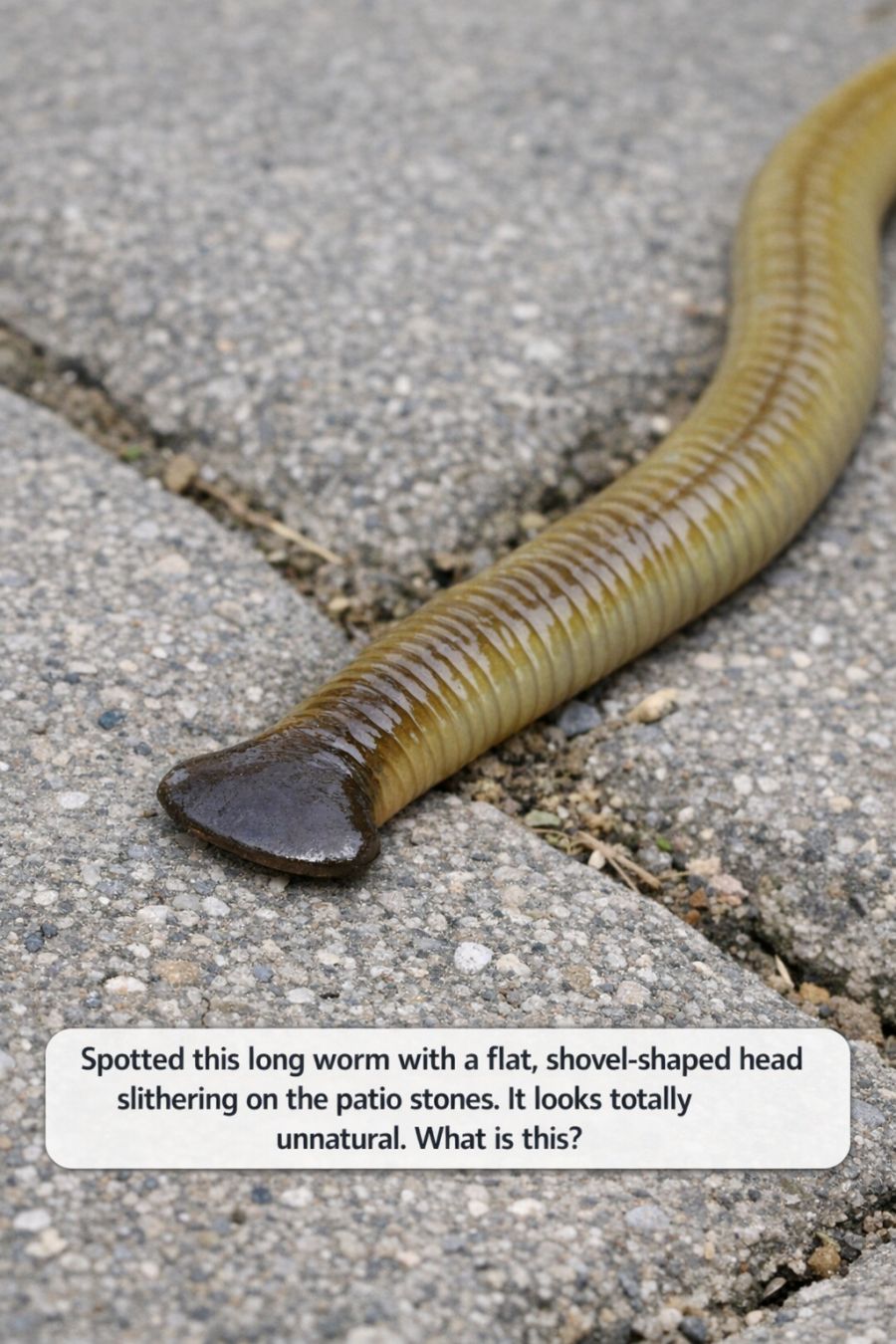

6. The Real Threat: How Hammerhead Worms Attack Earthworms
Hammerhead worms pose a significant threat to earthworms, which are crucial for soil health and fertility. They use a unique hunting strategy to capture and consume earthworms, which involves secreting a sticky mucus to immobilize their prey.
Once the earthworm is captured, the hammerhead worm uses its eversible pharynx to secrete digestive enzymes onto the earthworm’s body, breaking it down into a digestible form. This predatory behavior can lead to a decline in earthworm populations, which in turn affects soil quality and plant health.
7. Toxic Slime and Neurotoxins: The Science Behind Their Venom
Hammerhead worms produce a toxin called tetrodotoxin, the same potent neurotoxin found in pufferfish. This toxin is used both defensively and offensively. When threatened, the slime they secrete can deter predators due to its unpleasant taste and potential toxicity.
While the concentration of tetrodotoxin in hammerhead worms is not typically dangerous to humans or large animals, it is effective in subduing their prey and can cause mild irritation if it comes into contact with human skin. This toxin allows them to immobilize and digest earthworms efficiently, contributing to their success as predators.
8. What to Do If You Find a Hammerhead Worm in Your Yard
If you spot a hammerhead worm in your yard, it’s important not to panic but to take steps to manage their presence. Avoid direct contact with the worm, as their slime can cause irritation. Instead, use gloves or a tool to handle them.
As tempting as it may be, do not attempt to cut the worm, as this can result in the fragments regenerating into new worms, exacerbating the problem. Instead, focus on safe disposal methods to prevent further spread and impact on local ecosystems.
9. Safe Ways to Kill Hammerhead Worms Without Making It Worse
To effectively eliminate hammerhead worms without unintentionally increasing their numbers, use methods that prevent regeneration. One recommended approach is to sprinkle salt or spray vinegar directly onto the worm. These substances dehydrate the worm, preventing it from regenerating.
After treating the worm, dispose of it in a sealed plastic bag to ensure it doesn’t re-enter the environment. These methods help control their population without inadvertently causing them to multiply.
10. How to Prevent Future Hammerhead Worm Infestations
Preventing hammerhead worm infestations involves both proactive and reactive measures. Regularly inspect your garden and any new plants or soil for signs of these worms. Maintaining a tidy garden with minimal debris can help reduce the moist environments they thrive in.
Consider using barriers or natural repellents that discourage their presence. Staying informed about the signs of hammerhead worms and monitoring your garden can help you address any potential infestations before they become problematic.
11. Why This Strange Invader Matters for Your Garden and Local Ecosystem
Hammerhead worms, despite their small size, can have a significant impact on garden ecosystems. By preying on earthworms, they disrupt the natural soil aeration and nutrient cycling that earthworms provide, potentially leading to poorer soil health and reduced plant growth.
Their presence is a reminder of the delicate balance within ecosystems and the potential consequences of introducing non-native species. Understanding and managing hammerhead worms is important for maintaining the health of local environments and ensuring that beneficial species continue to thrive.

Leave a Comment