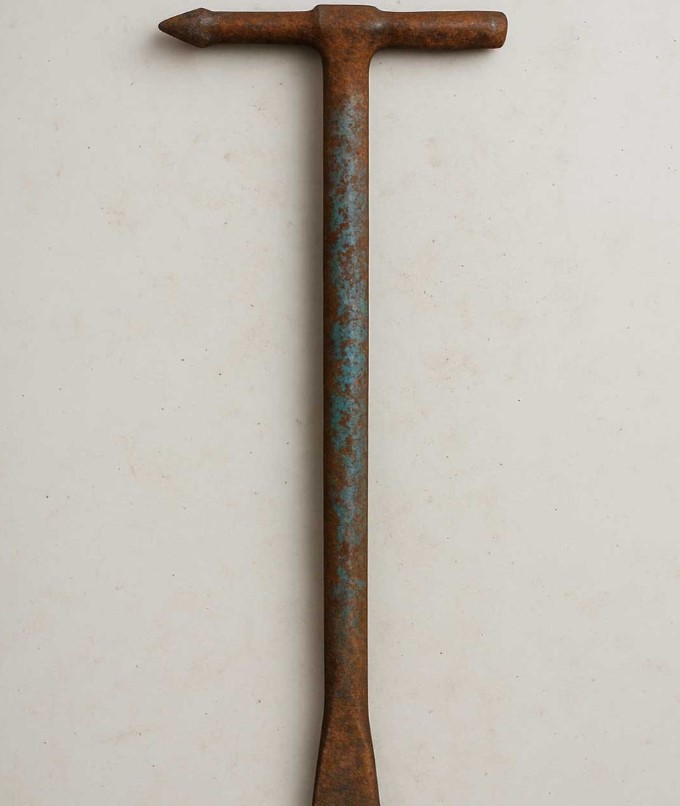

Weight and Material
Does it feel heavy or light?
Is it solid steel, hollow, or another metal?
Does it appear rusted or coated?
Knowing what metal it’s made of can help determine if it’s scrap or a functional component.
Surface Features
Is it smooth or rough?
Are there signs of wear, paint, or engraving?
Does it have threaded ends or flat faces?
These clues often indicate how the piece was used originally.
Nearby Context
Look around the area:
Are there nearby tools, vehicles, or equipment?
Is there a recent construction or landscaping project?
Has a neighbor been working on their property?
Context often reveals the most likely source.
Safety and Handling Tips
Before touching or moving the metal bar, consider safety:
1. Wear Gloves
Rusty or sharp metal can cause cuts or abrasions. Thick gloves help protect your hands.
2. Check for Sharp Edges
Metal bars can have burrs or edges that can cut. Handle carefully and avoid dragging your palms along the surface.
3. Inspect for Hazardous Parts
Some bars may have oil, grease, or metal shavings attached. Avoid contact with your skin and wash hands after handling.
4. Move With Caution
If it’s heavy, lift with your legs rather than your back to avoid strain. Ask for help if needed.
5. Clean If Needed
If you plan to keep the piece, wiping it down with a rag or light detergent can remove dirt and prevent further rusting.
What to Do With It
Once you’ve identified or narrowed down what it might be, you have several options:
Reuse It: If it belongs to a tool or structure you own, return it to its place or repurpose it.
Recycle It: Many scrap metal recyclers accept steel and iron materials. Recycling helps reduce waste.
Dispose of It Safely: If it’s not reusable or recyclable, wrap it in heavy material or cardboard before placing it in disposal to prevent injury to sanitation workers.
Conclusion :
Finding a metal bar on your driveway might initially raise questions, but with careful observation you can often determine its likely origin. Whether it came from recent construction, a vehicle, yard equipment, or simply fell from a passing trailer, understanding its shape, size, and context can help you identify it accurately.
By following simple safety precautions when handling unfamiliar metal objects — such as wearing gloves, checking for sharp edges, and lifting with care — you can avoid injury and decide what to do next. Whether you choose to reuse, recycle, or safely dispose of the piece, this approach ensures that unexpected discoveries don’t become hazards.
If you want help identifying this object more precisely, feel free to describe its shape, length, and any markings — and I can help you narrow it down further.

Leave a Comment