
3. Why Hammerhead Worms Look So Unnatural and Alien
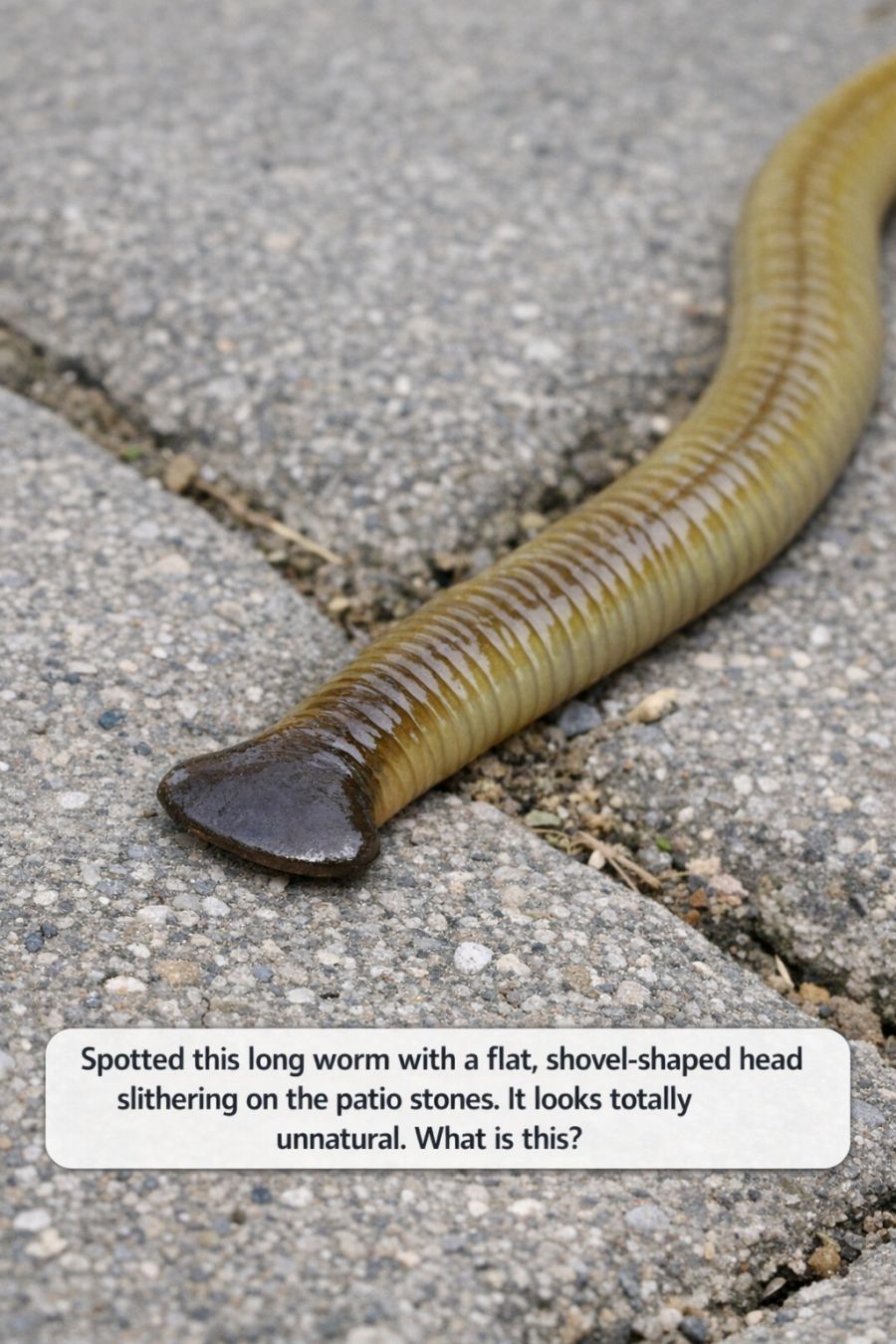
The appearance of hammerhead worms is indeed unsettling for many people, largely due to their unusual body shape and movement. The flat, elongated body and the distinctive head shape are unlike most other worms commonly encountered in gardens. This, combined with their often glossy and slimy surface, gives them an otherworldly appearance.
Their movement is another factor contributing to their alien-like aura. They glide over surfaces in a fluid, snake-like manner, using cilia on the underside of their bodies to propel themselves. This smooth, sinuous movement is quite different from the segmented, contracting motion of earthworms, adding to their bizarre appeal.
4. Where Hammerhead Worms Come From and How They Spread
Hammerhead worms are native to Southeast Asia but have become invasive in many other parts of the world, including North America and Europe. They are often inadvertently introduced to new areas through the importation of plants and soil, as they can survive being transported in moist soil environments.
Once established in a new location, hammerhead worms can spread rapidly due to their reproductive strategy. They reproduce asexually by fragmentation, meaning a single worm can break into multiple pieces, each of which can develop into a fully formed worm. This method of reproduction, combined with their lack of natural predators in many new environments, allows their populations to grow quickly.
5. Are Hammerhead Worms Dangerous to People or Pets?
For humans and pets, hammerhead worms are not directly dangerous. They do not bite, sting, or transmit diseases to humans or animals. However, they do secrete a slime that contains toxins, which can cause skin irritation in some people if handled directly.
While they are not a direct threat to humans or pets, their presence can be concerning due to their impact on local ecosystems, particularly their predation on beneficial earthworms. It’s always advisable to handle them with gloves or avoid direct contact to prevent any potential irritation from their secretions.
6. The Real Threat: How Hammerhead Worms Attack Earthworms
Hammerhead worms pose a significant threat to earthworms, which are crucial for soil health and fertility. They use a unique hunting strategy to capture and consume earthworms, which involves secreting a sticky mucus to immobilize their prey.
Once the earthworm is captured, the hammerhead worm uses its eversible pharynx to secrete digestive enzymes onto the earthworm’s body, breaking it down into a digestible form. This predatory behavior can lead to a decline in earthworm populations, which in turn affects soil quality and plant health.
7. Toxic Slime and Neurotoxins: The Science Behind Their Venom
Hammerhead worms produce a toxin called tetrodotoxin, the same potent neurotoxin found in pufferfish. This toxin is used both defensively and offensively. When threatened, the slime they secrete can deter predators due to its unpleasant taste and potential toxicity.
While the concentration of tetrodotoxin in hammerhead worms is not typically dangerous to humans or large animals, it is effective in subduing their prey and can cause mild irritation if it comes into contact with human skin. This toxin allows them to immobilize and digest earthworms efficiently, contributing to their success as predators.
8. What to Do If You Find a Hammerhead Worm in Your Yard
If you spot a hammerhead worm in your yard, it’s important not to panic but to take steps to manage their presence. Avoid direct contact with the worm, as their slime can cause irritation. Instead, use gloves or a tool to handle them.
As tempting as it may be, do not attempt to cut the worm, as this can result in the fragments regenerating into new worms, exacerbating the problem. Instead, focus on safe disposal methods to prevent further spread and impact on local ecosystems.
9. Safe Ways to Kill Hammerhead Worms Without Making It Worse
To effectively eliminate hammerhead worms without unintentionally increasing their numbers, use methods that prevent regeneration. One recommended approach is to sprinkle salt or spray vinegar directly onto the worm. These substances dehydrate the worm, preventing it from regenerating.
After treating the worm, dispose of it in a sealed plastic bag to ensure it doesn’t re-enter the environment. These methods help control their population without inadvertently causing them to multiply.

Leave a Comment