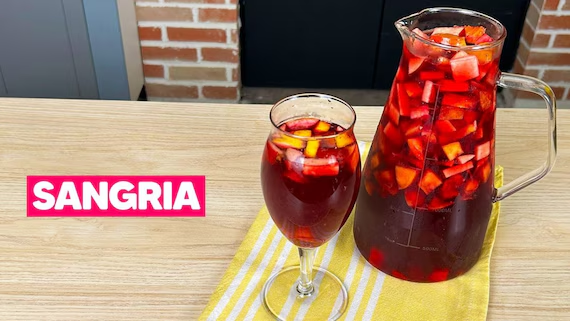

What Is Sangria?
Sangria, a vibrant and refreshing punch, is a staple of Spanish social gatherings, also called Tinto de Verano. Its vibrant red hue, bursting with chunks of fresh fruit, is instantly recognizable. While sources mostly agree that the drink was created in the late 1960s or early 1970s in the northeastern region of Spain, there seem to be many theories on how it was invented.
One theory credits resourceful barkeeps in the region with using their creativity to use up surplus red wine, a common occurrence. Another theory points to visiting tourists seeking a lighter alternative to the traditionally bold Spanish wines. Regardless of its creator, Sangria’s rise to fame was swift. By the 1960s, it had become a symbol of Spanish hospitality and sunshine, a refreshing counterpart to the warm Mediterranean climate. Today, Sangria enjoys international acclaim, with countless variations inspired by the original!
Tips
Embrace the season and use fresh, ripe fruits like peaches, oranges, lemons, and even berries. Avoid pre-cut or frozen options, as they lack the vibrant flavor and juicy texture that defines authentic sangria.
Opt for a good quality, young red wine from Spain. Tempranillo or Garnacha are traditional choices, offering a touch of body and complexity without overpowering the fruit. For a traditional touch, add cognac. Alternatively, brandy or rum can be used according to your preference. Avoid sugary liqueurs like triple sec, as they can alter the traditional flavor profile and make the sangria overly sweet.
Maceration is key! Chill your sangria mixture for at least 2 hours, or even overnight, to allow the fruits and spices to infuse their flavors into the wine. This step is crucial for developing that deep and complex taste.
Use whole cloves and cinnamon sticks for subtle warmth and depth. Avoid grinding spices, as this can lead to bitterness. Remove the spices before serving to prevent overpowering the other flavors.
Start with a moderate amount of sugar and adjust to your taste. The natural sweetness of the fruit should play a major role. Remember, authentic sangria leans towards a slightly tart taste.
Is Authentic Sangria Sweet?
Authentic sangria leans towards a slightly tart taste, with the natural sweetness of the fruit playing a major role. The amount of sugar can be adjusted to taste, but it shouldn’t be overly sweet.

Leave a Comment