
1. What That Dark Gray or Black Color in Chicken Bones Really Is
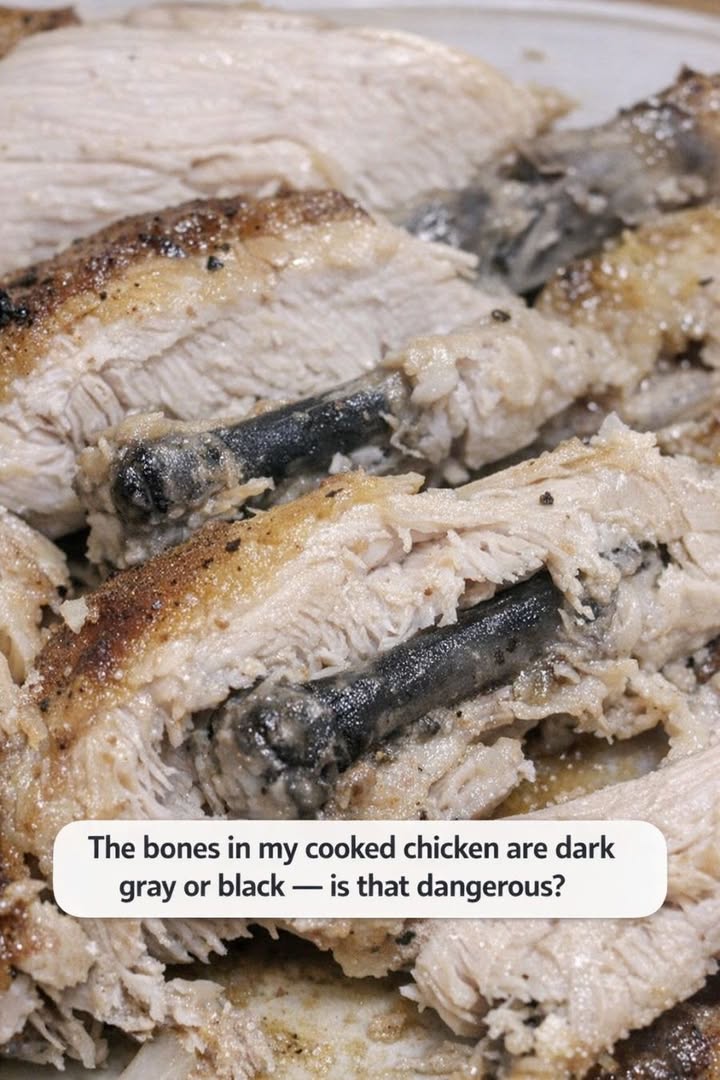
The dark coloration in chicken bones is primarily due to the presence of bone marrow, which can appear darker when exposed to heat during cooking. This is especially common in younger birds whose bones are more porous, allowing marrow to seep through more easily. The discoloration is not an indication of spoilage or disease but rather a natural occurrence in the bone structure.
In young chickens, the bones have not fully ossified, meaning they are still in a transitional phase between cartilage and bone. This porosity allows blood to seep into the bone, and when cooked, the iron in the blood oxidizes, causing the color change. This is purely a cosmetic issue and does not affect the safety or taste of the meat.
2. The Science of Bone Marrow Pigment Reactions Explained Simply
Bone marrow contains hemoglobin and myoglobin, two proteins that are responsible for transporting and storing oxygen in blood and muscle tissues, respectively. When heated, these proteins undergo chemical changes that can result in dark pigmentation. In particular, the iron in hemoglobin can oxidize, leading to the dark coloration observed in the bones.
These pigment reactions are more pronounced in younger chickens due to their higher bone porosity and increased blood flow in the bone marrow. This is why the phenomenon is more commonly observed in poultry compared to other meats like beef or pork.
3. When Dark Bones Are Perfectly Normal — And Not Dangerous
Dark bones in cooked chicken are typically not a sign of danger. As mentioned, they are a result of natural processes involving bone marrow and are especially common in young chickens. This is a normal occurrence and does not indicate that the meat is unsafe to consume.
It’s important to note that as long as the chicken is cooked to an internal temperature of 165°F (74°C), it is safe to eat. The USDA specifies that this temperature effectively kills any harmful bacteria, ensuring the meat is safe for consumption regardless of the bone color.
4. How Age, Breed, and Processing of the Chicken Affect Bone Color
The age of the chicken plays a significant role in bone color. Younger chickens, often used for broilers, have softer, more porous bones that allow bone marrow to seep through more easily. This is why their bones might appear darker when cooked.
The breed of chicken can also influence bone color. Some breeds have naturally darker bones due to higher levels of pigmentation in their marrow. Additionally, processing methods like freezing and thawing can cause blood in the bone marrow to migrate and oxidize, resulting in darker bones when cooked.

Leave a Comment